Research brief 02.03Pricing
Pricing a Venue Rental From the Cost Floor Up
Most venue pricing is a guess wearing a rate card. Here's a method: build the floor from your own costs, stack the calendar tier on top, position against your real alternatives, and only then design the packages.

There are two common ways to price a venue and both are wrong. The first is copying the venue across town, which imports their cost structure, their debt, and their mistakes into your rate card. The second is working backward from a revenue dream. The durable method builds upward through four layers, each answering a different question.
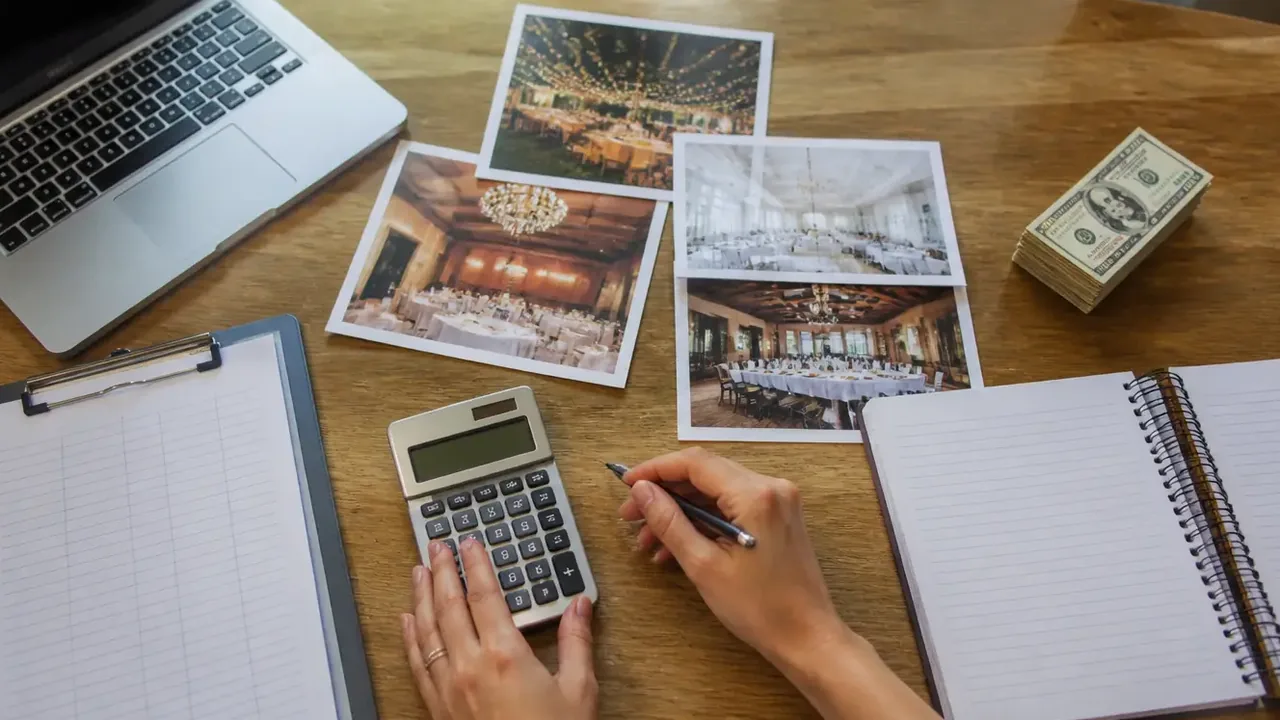
1. Layer one: the cost floor
The floor is the price below which hosting the event makes you poorer than leaving the room dark. It has two components, both from your own books:
Variable cost comes straight from your per-event P&L: labor, cleaning, utilities delta, consumables, wear reserve, processing, acquisition. Compute a floor per event type. A full-service wedding and a four-hour daytime meeting do not share a floor, because they don't share a cost list.
The floor is not a price you advertise. It's a tripwire: any negotiation, package, or "exposure opportunity" that lands under it gets an automatic no, delivered without a spreadsheet open. Operators who don't precompute floors end up computing them at 9pm, on the phone, generously, wrong.
2. Layer two: the calendar tier
The same room on a June Saturday and a February Tuesday is not the same product. The inventory economics differ. That's the whole argument of Saturday Scarcity. Structurally, your rate card should be a small matrix, not a single number:
| Tier | Dates | Anchoring logic |
|---|---|---|
| Premium | In-season Saturdays | Priced to scarcity and demand, well above floor. This tier funds the building; it is the number you defend. |
| Shoulder | Fridays, Sundays, off-season Saturdays | A stated, bounded percentage off premium: big enough to move flexible buyers, small enough not to train premium buyers to switch days. |
| Weekday | Mon–Thu, daytime blocks | Priced from the floor up, not the premium down. The question is "does this clear costs plus margin," not "how much less than Saturday." |
Publish the structure even if you don't publish every number. Buyers accept "Saturdays cost more" without complaint. Hotels and airlines trained them decades ago. What they punish is inconsistency: the discovery that a similar couple paid less for the same date because they haggled harder.

3. Layer three: market position
Only after floor and tier are set do you look sideways. And when you do, compare correctly:
- Compare total cost to the buyer, not headline rental fee. A venue with a low rental fee and a mandatory in-house caterer is a different total price than your open-vendor room. Assemble the buyer's real all-in number for each competitor before deciding you're "expensive."
- Compare against the buyer's actual alternatives, which may include a restaurant buyout, a community hall, a hotel ballroom, or a backyard tent, not just venues that look like yours.
- Position on a stated dimension. Cheaper, more flexible, more turnkey, more beautiful, longer access hours. Pick the one your building can defend and let the rate card express it. A price that's 15% above the room across town is a claim; make sure the claim has a sentence behind it.
What layer three must never do is push a price below layer one. If the market genuinely won't pay above your floor, you don't have a pricing problem. You have a cost-structure problem or a wrong-market problem, and pretending otherwise just schedules the failure.
4. Layer four: package architecture
Packages are pricing's delivery mechanism. Three design rules that consistently earn their keep:
- Anchor high. List the most complete package first. Buyers calibrate against the first number they see; make it the one that includes everything.
- Make the middle easy. Most buyers take the middle option. Build the middle package to be the one you actually want to operate (sane hours, your preferred vendors, standard layout) so that "most popular" and "most profitable to deliver" are the same thing.
- Price add-ons by marginal cost plus real margin. Extra hour, extra setup change, specialty furniture: each has a knowable marginal cost (labor, wear, risk). Price from that, not from "feels like $200." Overtime deserves special attention: its true cost includes threatening the next event's setup, so it should sting. See The Turnover Hour.

5. A worked illustration
The lesson in the invented numbers: the weekday rate is cost-driven (floor plus honest margin), while the Saturday rate is demand-driven and merely checked against the floor. Two different pricing logics, one rate card. That's normal and correct.
6. Discount rules that protect the structure
Every pricing structure is eventually attacked by its own owner, at 4pm, facing a soft month. Write the rules down while you're calm:
- Discount the date, not the price. "That budget fits our Friday rate" preserves the premium tier and often wins the booking anyway.
- Trade, don't cut. If you must move on a premium date, remove something (hours, setup changes, furniture upgrades) so the price still maps to a defined package.
- Time-box exceptions. Inside-X-weeks distress pricing on unsold dates is rational inventory clearance; the same price nine months out is just fear. Set X in writing.
- Log every exception. A one-line ledger of date / list price / realized price / reason. Quarterly, total the gap. That number is what your discipline (or its absence) cost, and it feeds directly back into your break-even math.

7. Raising prices without breaking things
Rate cards decay. Costs creep up annually, and a venue that books out its premium tier many months ahead is receiving a price signal it usually ignores. When you move prices, move them like an operator:
- New inquiries only. Signed contracts keep their price, obviously; but so should quotes issued inside their stated validity window. A quote with an expiry date is itself a pricing tool. It creates a deadline and protects you from honoring stale numbers.
- Test on the scarcest tier first. If premium Saturdays sell out furthest ahead, they're the safest place to test a higher rate. Demand depth is proven there. Watch the booking lead time after the change: if dates still book out months ahead, the market just told you there's more room.
- Change the number, not the architecture. Repricing and repackaging at the same time destroys your ability to read the result. Move one variable per season.
- Write the increase into the calendar. An annual repricing date, reviewed against your updated cost floor and last year's realized prices, turns an emotionally fraught decision into routine maintenance. Venues that never schedule increases take them anyway, all at once, in a bad year, badly.