Research brief 04.05Risk transfer
Damage: Deposits, Waivers, and Who Pays for the Broken Door
Something will break. The only open questions are who pays, how the money was arranged in advance, and whether you'll know, with numbers, what breakage actually costs your building per year.
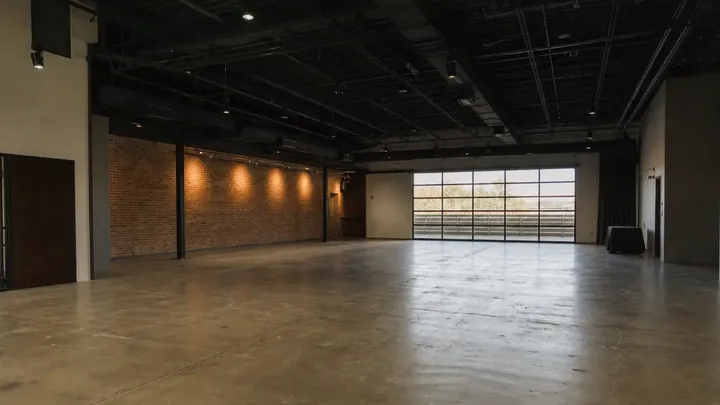
Every venue eventually meets the broken door, the wine-soaked carpet, the tail-light-shaped dent in the loading-dock frame. Amateur operators experience these as outrages; operators run them as a designed system with three instruments (the security deposit, the damage waiver, and vendor liability) plus a ledger that remembers what actually happens. This article treats the instruments as what they are: different ways of pre-arranging who pays.

1. The security deposit: a refundable hostage
One instrument is a refundable security deposit, subject to the contract and local law. This site has no evidence that a deposit measurably changes client behavior, so size and evaluate it from your own incident, dispute, booking, and administrative records.
- It must be held, not spent. A deposit is the client's money in your custody, same discipline as event deposits in the deposit-design article, and some jurisdictions regulate how client funds are held. Confirm your local rules.
- It must be adjudicated. Every deduction needs evidence: the pre-event walkthrough record, timestamped photos, an invoice for the repair, or it becomes a dispute, a chargeback, or a review that costs more than the door did.
- It must be returned promptly. The slow-refund venue acquires a reputation with planners faster than any other kind.
Sizing is a trade: large enough to cover the plausible bad night, small enough not to lose bookings at signing. The honest sizing input is your own incident history (§4), not a number copied from another venue's contract.
2. A contractual damage waiver
Some contracts charge a nonrefundable fee in exchange for waiving certain damage claims up to a stated cap. Do not market or structure this as insurance without legal and regulatory advice: whether the product is permitted, what it may cover, how the fee is recognized, and whether an insurer must approve it are jurisdiction- and policy-specific. Model fees against your own covered losses and administration, but do not promise that clients prefer the structure or that it will produce margin.

3. The third payer: vendors and their certificates
Some incidents may involve vendors, so vendor risk transfer belongs in the contract and insurance review. A certificate of insurance is evidence of a policy on the issue date; it does not itself create coverage or additional-insured rights. Have the broker and lawyer specify the required policy, limits, endorsement, contract indemnity, and verification process before relying on a vendor's insurance. The insurance checklist supplies the questions.
4. The incident ledger: the system's memory
None of the instruments can be sized without data, and the data costs nothing to collect: one line per incident: date, event type, what broke, cause, repair cost, who paid (deposit, waiver pool, vendor's insurer, your own account), and days to resolution.
| Incident class | Count | Total cost | Who paid |
|---|---|---|---|
| Linen/carpet stains beyond cleaning | 6 | $1,150 | Waiver pool |
| Wall and door damage (load-ins) | 3 | $1,900 | Vendor insurer ×2, waiver ×1 |
| Broken furniture | 5 | $800 | Waiver pool |
| One destructive night | 1 | $3,400 | Billed past cap; partially recovered |
| Year total | 15 | $7,250 |
Under these assumptions the ledger answers the design questions directly: a waiver fee priced against roughly $60–$70 of expected in-cap damage per event (the in-cap total ÷ events hosted) with margin for administration; a deposit reserved for the event types that produced the destructive night; and a load-in briefing for vendors, because a fifth of the incidents and a quarter of the cost came through the loading door. It also feeds the bigger picture: ordinary wear, the slow consumption this ledger's dramatic cousins distract from, is priced separately in the wear-economics article, and the two together are the true "cost of hosting people" line.

5. Deposits, waivers, and the client's own policy
A fourth instrument sits outside your building: event liability insurance the client buys for the day. Requiring evidence of coverage can add protection, but it does not guarantee a claim will be covered, make the venue an additional insured, or eliminate the venue's own premiums, deductibles, exclusions, or administrative cost. Set requirements with your broker and counsel, verify the policy and any required endorsement, and map gaps against your own coverage.
Have the accountant determine how a waiver fee and related obligation should be recognized; this site cannot declare the fee earned on receipt. Separately, use the incident ledger and risk policy to decide whether and how much cash to reserve for covered losses.
6. Choosing the mix
A venue may consider a blend assigned by documented event risk rather than applied uniformly. Put the reviewed structure in the contract in plain language: what the waiver covers, its cap, what triggers deposit deductions, and the walkthrough procedure. Use a consistent pre-event documentation process, with timing and privacy practices approved by counsel and the insurer.
Review the whole structure annually against the ledger: fees drift out of date, caps set in year one meet year-four repair prices, and the event mix that justified your deposit policy may have changed under you. The instruments are policies, and policies have maintenance schedules like everything else in the building.