Research brief 02.08The bar
The In-House Bar: A Profit Center With Sharp Edges
A bar can add meaningful contribution and material regulatory and liability exposure. Measure both before deciding whether to operate it in-house.
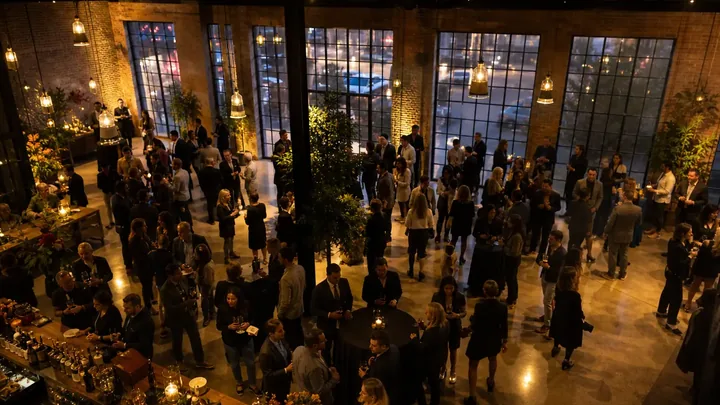
An in-house bar can materially change a venue's economics, but margin, take-up, and risk vary by market, event mix, and licensing regime. Treat it as a measured business with four dials: what pours cost, how they are billed, who pours them, and what the pouring exposes you to.

1. Dial one: pour cost
The bar's unit economics live in one ratio: what the liquid in the glass cost you, divided by what the glass sold for.
Everything about bar discipline is downstream of actually computing this, per event, from counts, not from what the register says should have poured. The gap between counted pour cost and theoretical pour cost is shrinkage wearing a percentage: overpours, spills, comps nobody rang, and bottles that walked. You don't need industry benchmarks to manage it (and this site won't invent any): your own venue's trend is the instrument. A pour cost that climbs two points across a season is a conversation with the bar lead; a pour cost that swings wildly by bartender is a roster insight; a gap between counted and theoretical that widens after you hired the new crew is exactly what the counts exist to catch.
2. Dial two: how the bar is billed
Three structures, three risk allocations, the same logic as pricing models generally:
- Hosted package (per guest, per hour-block): the client pays a fixed rate for an open bar. You've sold insurance: heavy-drinking crowds cost you, light ones pay you, so the package price must be built on your measured average pours per guest-hour, not the brochure's. Packages are per-head economics and inherit the guarantee requirement.
- Hosted on consumption: the client pays the tab. Cleanest alignment, but the client is buying an unknown number, so caps and live running totals ("tell us at $3,000") are what keep the final invoice from becoming a dispute.
- Cash bar: guests pay. Lowest revenue, lowest risk, and a service-charge structure (bartender fees, minimums) has to carry the labor if sales don't.
Mixed structures (hosted wine on tables, cash spirits) are normal; what matters is that each structure's price was derived from the same measured pours-per-guest-hour figure, so the package and the consumption tab describe the same drinking crowd.
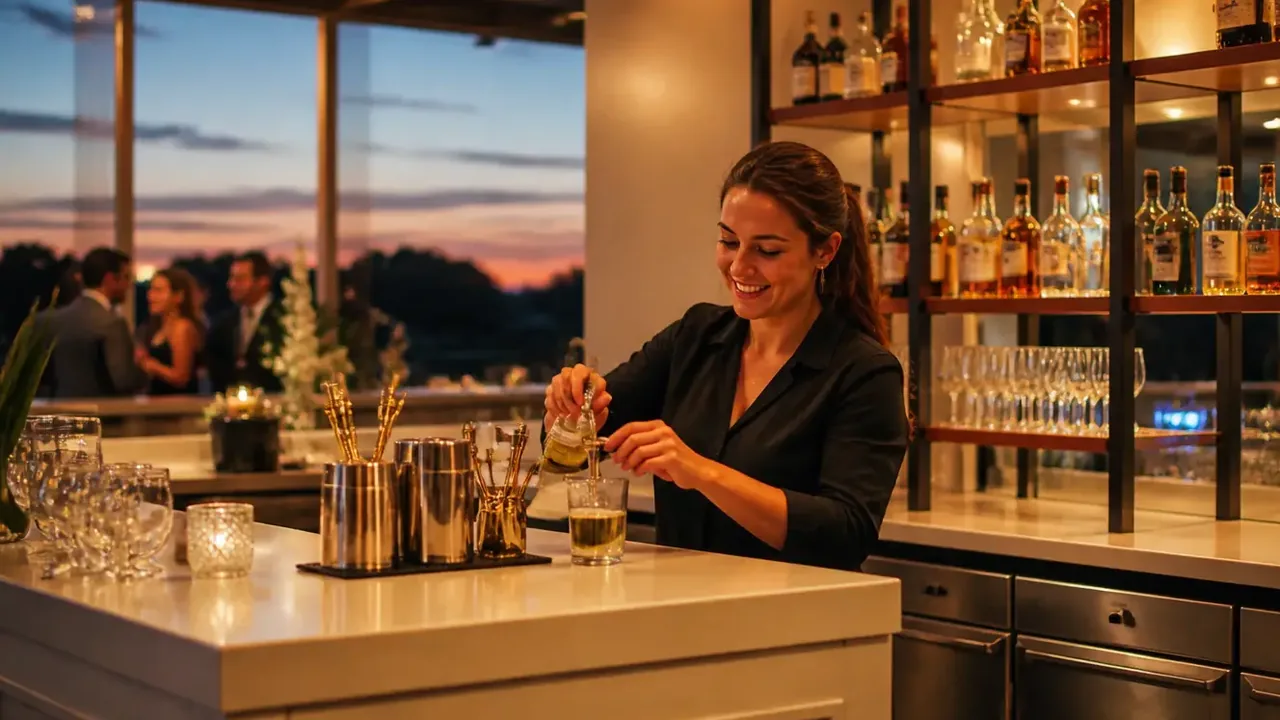
3. A worked event
| Line | Assumed $ |
|---|---|
| Package revenue: 120 guests × $38 | $4,560 |
| Goods poured (from counts) | −$1,180 |
| Bar labor: 2 bartenders + barback, loaded | −$690 |
| Consumables, ice, disposables, licensing share | −$240 |
| Bar contribution, this event | $2,450 |
Under these assumptions the bar contributed roughly as much as many venues' entire room rental, which is why F&B-led venues treat the bar as a primary business. Note the pour cost implied by the table (about 26% of bar revenue) is an output of the assumptions, not a target: the point is that every line came from a count or a roster, so the number is auditable.
4. Dial three: the crew and the counts
Bar shrinkage is not a moral problem; it's a controls problem. The controls are boring and cheap: opening and closing counts on every event (a photo of the shelf takes a minute), all drinks rung including comps (a $0 comp button preserves the count), standard pours enforced with measured tools, and tips structured so the crew's incentive is ringing sales rather than pleasing friends. One design decision matters more than the rest: the person who counts is not the person who pours. In a small operation that's the coordinator or you, ten minutes per event: the cheapest audit in the building, and the one that keeps honest crews honest by making honesty verifiable.
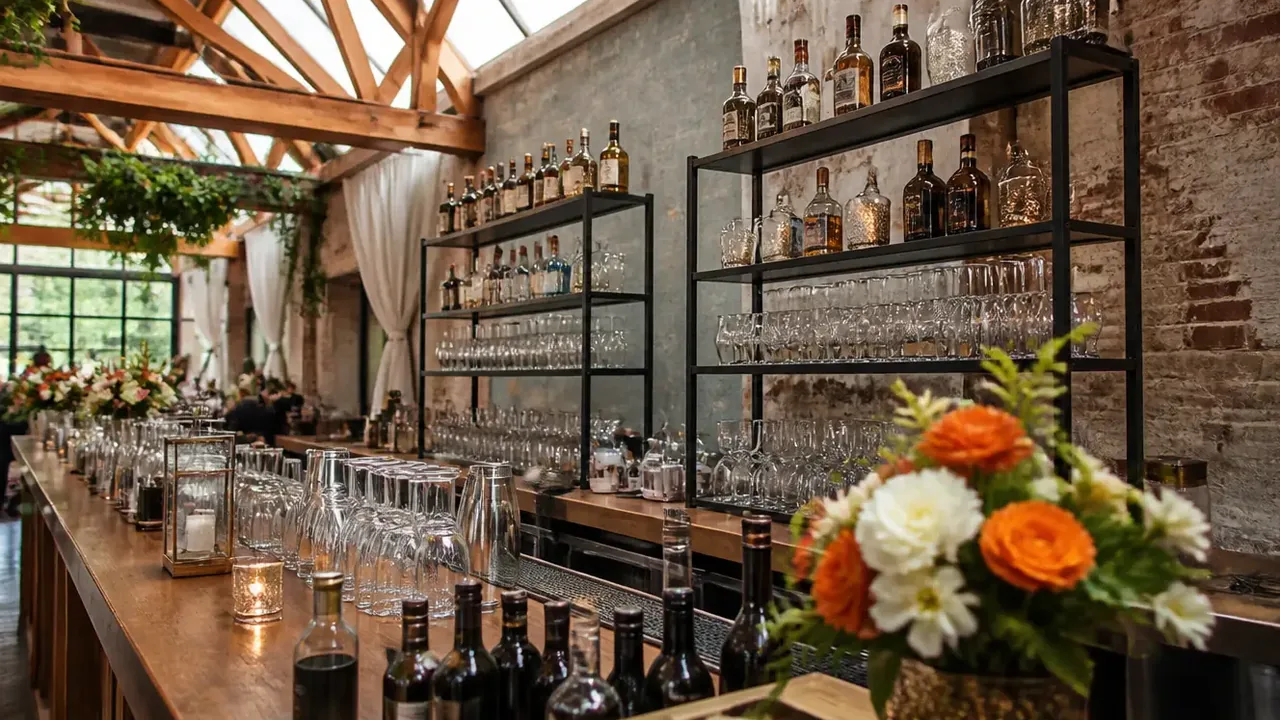
5. Dial four: liability, the edge that cuts
Alcohol-related losses can exceed an event's invoice. Requirements are jurisdiction- and policy-specific and may include licensing or permits, service conditions, server training, and liquor-liability coverage. Confirm the rules with the licensing authority and coverage with your broker; do not assume a general-liability policy covers alcohol exposure. Document service procedures and incidents, and price compliance and insurance into the product.
6. The middle path: corkage and client-supplied
Between running a full bar and banning alcohol are partial structures that may be permitted locally. Corkage still carries service, glassware, washing, breakage, administration, licensing, and liability costs; calculate them rather than treating the fee as pure contribution. Whether clients may supply beer, wine, or spirits depends on local law, licence conditions, and insurance terms. Confirm all three before offering the option.
7. The strategic choice: run it, broker it, or ban it
Not every venue should operate the bar. A properly licensed third-party service may bring staff and insurance, but that does not make the venue's exposure zero; contracts, permits, additional-insured status, and the venue's own policy still matter. A dry venue is another option, with demand effects that must be tested locally. Compare measured contribution and demand with licensing, insurance, staffing, controls, administration, and tail risk. Event frequency alone does not decide the model.